
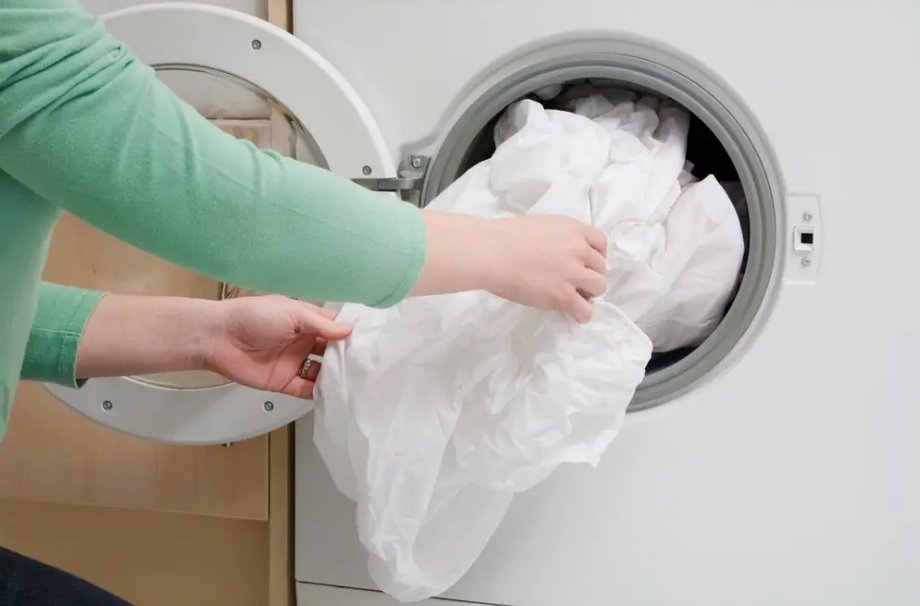
Please read below information to get the best out of your polycotton, cotton or polyester bedlinen.
Always check sizes before washing or using.
Caring for Polycotton Bedding
Polycotton is a popular fabric blend made from a combination of polyester and cotton. It offers the best of both worlds, the durability and wrinkle resistance of polyester, and the softness and breathability of the cotton.
However, washing polycotton fabric requires a bit of special care and attention to ensure the best results.
Polycotton is a mix of polyester and cotton typically in a ratio of 65% polyester and 35% cotton, but can be higher in either material. This blend creates a fabric that is lightweight, breathable, durable and can last much longer than 100% cotton.
One of the benefits of polycotton fabric is its wrinkle resistance, polyester fibres do not wrinkle easily, which means polycotton material tend to hold their shape and require less ironing. However, cotton does wrinkle, so it is important to be mindful of this when washing and drying polycotton items.
Sort by Colour
When washing polycotton fabric, it is important to sort the items by colour, this will help to prevent colour running and ensure that your polycotton fabric maintains its vibrant colour over time.
Separate whites from bright colours and dark colours from pastels to keep the colours from running.
Polycotton fabric should be washed in cold water to prevent shrinking and damage to the fabric. Warm or hot water can cause the fabric to shrink or fade, especially if it contains a high percentage of cotton. Cold water is gentler on the fabric and will help to maintain its shape and colour.
Avoid Overloading the Washer
When washing polycotton fabric, it is important to avoid overloading the washer. Overloading the washer can cause the fabric to become tangled and twisted, which can lead to damage and piling. Wash polycotton fabrics in small loads to ensure that they are cleaned properly and don’t bobble during the washing process.
What Temperature to Wash Cotton-Polyester Blend
The recommended washing temperature for a Polycotton depends on the level of soiling or stains. In general, poly-cotton can be washed at a warm or cool temperature, between 30-40°C (86-104°F). However, if the linen is heavily soiled or stained, a higher temperature of up to 60°C (140°F) may be necessary. It is essential to avoid washing poly cotton at high temperatures as it can lead to shrinkage, damage and colour running.
Use a Delicate Cycle
Polycotton fabric should be washed on a delicate cycle to prevent damage to the fabric. The delicate cycle is gentler on the fabric and will help to maintain its shape and quality over time. Avoid using the regular or heavy-duty cycle, which can be too rough on the fabric and cause it to become damaged.
Tumble Dry on Low Heat
Polycotton fabric can be tumble-dried on low heat, but it is important to remove the items from the dryer promptly to prevent wrinkling. High heat can cause the fabric to shrink or become damaged, so it is important to use a low heat setting.
Caring for Cotton Bedding
When your cotton sheets are soiled, it seems logical to get rid of all dirt and stains by washing them with very hot water. Unless you have the cold or flu, you want to avoid washing your sheets in hot water. Hot water will cause the sheets to shrink and fade over time. The heat also deteriorates the high-quality cotton fibers. The best rule of thumb is to follow the care instructions on the label of your sheets. This will guide you on which washer settings to use.
Avoid Using Harsh Detergents
Heavy-duty detergents won’t do a better job than mild detergents of cleaning your cotton sheets. Harsh detergent can actually damage the high-quality, cotton fibers in your sheets. Using a gentle detergent and a small amount of fabric softener will aid in extending your sheets’ lifespan and will keep them soft and durable.
Wash Your Sheets Separately
We all want to save time when it comes to doing the laundry. So if you wash your sheets with your towels and even your denim jeans, you’ll want to stop this bad habit. Washing your towels and clothing with your sheets causes friction and eventually reduces their quality and durability. Towels and clothing also require more water to wash so mixing your sheets in the same cycle will result in longer drying times. And you don’t want to dry your sheets with towels and clothing either. Towels and clothing produce a lot of lint that can cling to the sheets causing the fabric to break down and lose its softness.
Dry Your Sheets with Low Heat
There’s no worse feeling than making your bed and realizing that your sheets no longer fit. To prevent your sheets from shrinking over time, don’t dry them in high heat. Instead, dry your sheets at a low temperature. And if they’re still damp when the cycle is over, consider hanging them to dry. You don’t want to pop them back into the dryer for a few more minutes. Over time, high heat will cause your comfortable cotton sheets to shrink and even tear. If you have the space and warm weather conditions, line or hang dry your wet sheets. Plus — there’s nothing better than the smell of crisp sheets that were dried in the wind.
Caring for your mattress protector
How often should you wash a mattress protector?
The frequency of washing your mattress protector depends on your lifestyle and any specific issues you’re trying to address. As a general guideline washing your mattress protector every 1 to 2 months is a good practice. This helps keep it fresh and free of allergens and dust mites.
Machine Washing
Most mattress protectors can be conveniently washed in your home washing machine. Use a gentle cycle with cold or lukewarm water to avoid damaging the fabric, It’s crucial to avoid using hot water, as it can weaken the waterproof properties of some protectors.
When it comes to detergent, opt for a mild, hypoallergenic detergent that won’t leave behind residues or irritate sensitive skin, avoid using bleach or fabric softeners, as they can break down the protector’s materials.
If you don’t have access to a washing machine or prefer hand washing, you can do so in a large tub or basin. Follow the same temperature and detergent guidelines, and agitate the protector gently by hand. Rinse thoroughly to ensure no detergent residue remains.
Spills and Stains
If you experience spills or stains on the protector, clean it promptly to prevent the stains from setting.
Allergies: If you have allergies, consider washing your protector more frequently, such as every 2 to 4 weeks, If you allow pets on the bed, you may want to wash the protector more often to remove pet dander and fur.
What Temperature to Wash a Mattress Protector?
Use cold or lukewarm water to avoid damaging the fabric when washing your mattress protector, hot water can compromise the waterproof properties of some protectors. The recommended washing temperature depends on the level of soiling or stains. In general, polyester can be washed at a warm or cool temperature, between 30-40°C (86-104°F). However, if the linen is heavily soiled or stained, a higher temperature of up to 60°C (140°F) may be necessary. It is essential to avoid washing poly cotton at high temperatures as it can lead to shrinkage, damage and colour running.
Drying a Mattress Protector
Drying your mattress protector correctly is crucial to maintaining its effectiveness and prolonging lifespan, air drying is the gentlest option, as it reduces wear and tear on the fabric, hang the protector outside on a sunny day or indoors in a well-ventilated area.
If you prefer machine drying, use a low heat or delicate setting, high heat can cause the protector’s materials to deteriorate over time. Adding tennis balls or dryer balls to the machine can help fluff the protector and prevent it from clumping during drying.